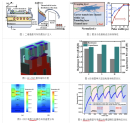
Domestically produced X-ray topology instrument strengthens the quality defense line for SiC wafers.
The first domestically produced X-ray morphology (XRT) instrument through a strategic collaboration between Aolong Group and Shenzhen Xinjishi. This breakthrough addresses a critical gap in the silicon carbide (SiC) semiconductor industry by providing non-destructive testing capabilities for high-end wafers. Unlike traditional methods that rely on invasive techniques, this new instrument enables precise visualization of internal crystal structures without damaging the sample, serving as an essential "invisible defense line" to bolster China's quality control standards in advanced materials manufacturing.
The development is driven by the urgent need to detect specific defects that arise during SiC single crystal growth and epitaxy processes. These imperfections include internal flaws such as dislocations and microtubes, which cause significant degradation in device performance like reduced breakdown voltage and increased leakage current. Additionally, surface-related issues like carrot defects, triangular defects, and step bundles severely impact yield rates and electrical reliability. Accurate identification of these variations is now recognized as a prerequisite for improving the efficiency and stability of SiC-based power devices.
Existing detection technologies have historically faced limitations due to their destructive nature or inability to penetrate wafer layers effectively. While methods like scanning electron microscopy (SEM) and transmission electron microscopy (TEM) offer high accuracy, they often require wet etching or electron bombardment that irreversibly damages the samples, making them unsuitable for screening large batches of wafers. Conversely, optical techniques provide speed but lack the depth to reveal internal defect distributions clearly. The XRT instrument uniquely bridges this divide by combining non-destructive characteristics with the ability to penetrate the material, offering a high-efficiency solution that preserves sample integrity while delivering detailed morphological data.
Ultimately, the introduction of this indigenous equipment marks a significant step toward enhancing yield rates and ensuring supply chain security for China's semiconductor sector. By enabling manufacturers to effectively screen, control, and reduce defects early in the production cycle, this technology supports the high-quality development of SiC devices within an era increasingly defined by deep integration with artificial intelligence. Filling the void left by foreign high-end testing gear not only strengthens domestic manufacturing.