
ESW Materials : The main structure of the third factory in Wuhan has been fully capped, accelerating the upgrading of the semiconductor silicon material industry!
On May 24, ESW Materials (ESWEI/Yisiwei) successfully completed the main structure ("topped out") of its third factory in Wuhan, China. The massive 12.5 billion yuan project is a strategic move to capitalize on the booming AI-driven demand for semiconductors, aiming to make the company a top-three global player in the 12-inch silicon wafer market by 2030.
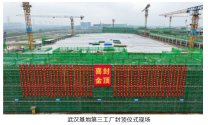
Located in Wuhan's East Lake High-tech Development Zone, the facility covers 190,000 square meters. At full capacity, the new factory will produce 600,000 12-inch electronic-grade silicon wafers per month. This will push ESW Materials' total monthly capacity to over 1.8 million pieces. The wafers will be used for high-performance memory, advanced logic chips, and high-end image sensors. The expansion is expected to give ESW a 13% global market share, ranking them first in China and among the top three globally.
The project follows a strategic timeline that began with the completion of the building's main structure on May 24, 2024. Progress will continue into the fourth quarter of 2026 when the first batch of equipment is scheduled to move into the facility. Following this setup, initial production capacity is slated to go online in the first half of 2027, ultimately paving the way for the factory to reach its full production capacity by 2030.
The expansion comes as the 12-inch silicon wafer market experiences an upward cycle driven by the explosive growth of AI and data centers. The project is a benchmark for Hubei Province's semiconductor ecosystem. It will significantly boost China's domestic supply capacity and self-reliance in high-end semiconductor substrate materials.
Located in Wuhan's East Lake High-tech Development Zone, the facility covers 190,000 square meters. At full capacity, the new factory will produce 600,000 12-inch electronic-grade silicon wafers per month. This will push ESW Materials' total monthly capacity to over 1.8 million pieces. The wafers will be used for high-performance memory, advanced logic chips, and high-end image sensors. The expansion is expected to give ESW a 13% global market share, ranking them first in China and among the top three globally.
The project follows a strategic timeline that began with the completion of the building's main structure on May 24, 2024. Progress will continue into the fourth quarter of 2026 when the first batch of equipment is scheduled to move into the facility. Following this setup, initial production capacity is slated to go online in the first half of 2027, ultimately paving the way for the factory to reach its full production capacity by 2030.
The expansion comes as the 12-inch silicon wafer market experiences an upward cycle driven by the explosive growth of AI and data centers. The project is a benchmark for Hubei Province's semiconductor ecosystem. It will significantly boost China's domestic supply capacity and self-reliance in high-end semiconductor substrate materials.


