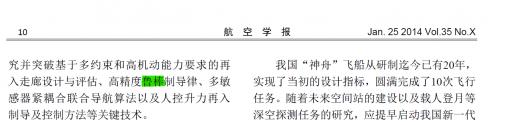
There is a dangerous trend among young Chinese who instead of creating a Chinese word by meaning from imported concept, they take in the sound, such as 鲁棒 (robustness) in recent years. Seriously WTF is 鲁棒? A big stick from Shandong province? What's wrong with 强健 or 健壮? The same trend also use existing sound representation (from HongKong and Taiwan) to replace existing meaning representation in mainland such as 透平 (turbine) instead of 涡轮, or 引擎 (engine) instead of 发动机.Not at all. China has almost no English outside a few cities. Mainland Chinese Mandarin has single digit English loanwords (only one I can think of is 雷达) and Taiwanese Mandarin only a few more while Japanese and Korean are filled with English loanwords like konpyuta = computer. This is why pre WW2 Japanese was written with 90% kanji but modern Japanese is filled with katakana. Chinese music is the only music industry in the world that still uses classical language. It would be like pop music written in Latin or Anglo Saxon. 7/10 top movies in China are domestic, only Japan is higher at 8/10, every other country including Saudi Arabia and South Korea watches Hollywood.
In short: most Chinese don't speak English or use English words, don't watch Hollywood, and can understand language used when English was still Anglo Saxon.
It is the same trend of Japanese increasingly use direct imported English rather than Sino-Japanese word created by early Japanese, such as エンジン (engine) instead of 発動機 which is exported to China to become a Chinese word.
I felt that Chinese language skill is declining among young Chinese that both their grammar is getting off the standard Mandarin and getting lazy to create Chinese word for new concept araising from outside of China.