
Zhaoxin KX-8000. Domestic technology. 4 ghz. 

US approves annual permits for TSMC to import semiconductor equipment into China plant
Nexperia, Wingtech set for fresh face-off in January with US$8 billion at stake
The two sides will face off before the Dutch Enterprise Chamber on January 14, a court representative told the Post on Tuesday, speaking on condition of anonymity.
The hearing aims to determine whether there were valid reasons to doubt the sound management of Nexperia before the chamber’s ruling in early October, according to a Nexperia spokesman who also declined to be named.
Wingtech, however, is escalating its counterattack. The company is preparing a “multi-track legal strategy” that – aside from the chamber hearing – includes filing objections against the administrative order of the Dutch Ministry of Economic Affairs and lodging an appeal before the Dutch Supreme Court, Wingtech said in a statement to the Post on Tuesday.
Crucially, the strategy involves preparations for bilateral investment treaty (BIT) international arbitrations. Wingtech intends to seek compensation equivalent to the full value of Nexperia – around US$8 billion – if the issue is not settled by April 15, the statement said, with the company urging Beijing to continue supporting its fight to regain control of Nexperia Netherlands.
Wingtech further said that, even if its control over Nexperia Netherlands were restored, it would still seek compensation for “significant losses caused by the Dutch government’s improper conduct”. This includes supply-chain disruptions, damage to customer relationships, impact on employee morale, and reputational harm, which the firm considers “profound and long-lasting”, according to the statement.
great video. i guess the things they showed and explained are already known by their competitors.
Veritasium did a video on EUV lithography. Very detailed explanation and actual walkaround of an EUV machine in ASML. Great stuff! It goes through all the practical and physics challenges to make EUV commercially viable.
After watching this, if China has been able to make EUV this year and is able to produce chips with it in a couple of years. It will be gargantuan achievement.
It hard to believe how all these physics challenges and scientific papers which eventually became a product then became the focal point of global geopolitics and new the cold war.
this is the full article if anyone wants to read it.How credible are these self-sufficiency rates Trendforce recently came out with?
NAURA, AMEC, SiCarrier, Piotech, ACMR
View attachment 167278
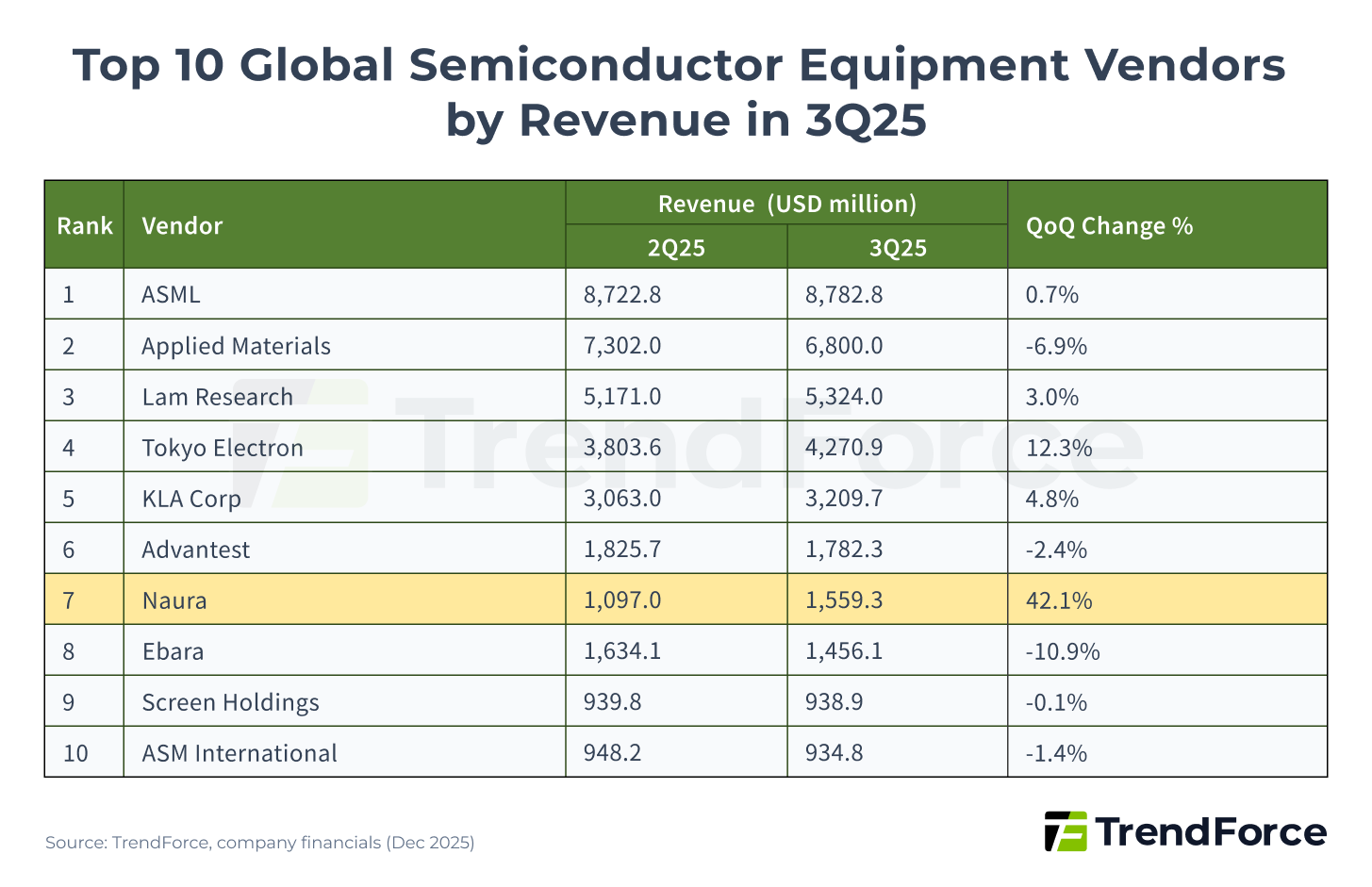

AMEC should be in that list.great video. i guess the things they showed and explained are already known by their competitors.
this is the full article if anyone wants to read it.
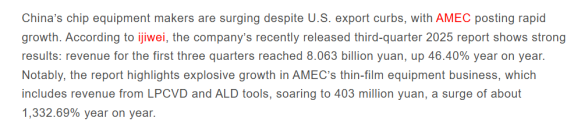
Youre right. Here is my article from Nov 30, 2025 showing Naura and AMEC in the top 10 -