They need to keep aircraft in naval bases, which will be used as a substitute for naval aircraft lost in operations, the carrier can comeback and find naval aircraft in a good shape to replace the aircraft they lost in battle.

You are using an out of date browser. It may not display this or other websites correctly.
You should upgrade or use an alternative browser.
You should upgrade or use an alternative browser.
J-15 carrier fighter thread
- Thread starter Jeff Head
- Start date
They need to keep aircraft in naval bases, which will be used as a substitute for naval aircraft lost in operations, the carrier can comeback and find naval aircraft in a good shape to replace the aircraft they lost in battle.
Planes can fly. Very far.
Ferry range of the J-15T is easily 3,000km+
Typically, when a carrier returns from deployments, the carrier air wings flies off to an air base (that may or may not be near a naval base) even before the carrier sees land. Likewise, when a carrier sails off, the air wing rejoins the carrier by flying off the said air base and landing on the carrier, when the carrier is at sea. Planes are rarely if ever craned onto/from a carrier deck while portside, typically only if the aircraft is not airworthy.
So if you need to replace lost aircraft on an operational carrier, just fly it out to the carrier.
Just like you do not need to return to port to resupply when can have the supplies come out to you via UNREP.
Yes thanks for that point, didn't take it into my account.Planes can fly. Very far.
Ferry range of the J-15T is easily 3,000km+
Typically, when a carrier returns from deployments, the carrier air wings flies off to an air base (that may or may not be near a naval base) even before the carrier sees land. Likewise, when a carrier sails off, the air wing rejoins the carrier by flying off the said air base and landing on the carrier, when the carrier is at sea. Planes are rarely if ever craned onto/from a carrier deck while portside, typically only if the aircraft is not airworthy.
So if you need to replace lost aircraft on an operational carrier, just fly it out to the carrier.
Just like you do not need to return to port to resupply when can have the supplies come out to you via UNREP.
No, the second island chain is 3000km from the mainland. But nobody said you had to fly directly from the mainland. Saipan, Tinian, Guam, Peleliu, Truk, these are all old and familiar names. Because they are old and familiar battlefields, fought with aircraft far more short-ranged and primitive than modern ones. Aircraft which were launched from carriers, yes, but also from island bases close enough to contribute. Attacking and securing those bases is why and how island-hopping worked. And not just for airstrips of course, but also port facilities, supply stockpiles, and so on. Everything you need to fight a protracted high-intensity conflict, which is once again waged with mixed fleets conducting joint operations with navies and land-based fires, and all their requisite support structures. Not some dumb caricature of 100% stealth = cool.
If you want to meaningfully contest the second island chain in sustained fashion (instead of just the occasional raid), then you must do it from bases in the first island chain. Bases which you attacked and secured after gaining local superiority and conducting amphibious assaults. Because that's how and why island-hopping works. The same laws of physics from WWII continue to hold true today.
Such an island-hopping campaign to the Second Island Chain will take weeks/months.
And those islands will still face flanking attacks from the Japanese Home Islands, because they are not feasible to conquer and occupy in a short timeframe. (I'm also assuming that China doesn't use nuclear weapons on Japan, even though the USA has previously done so)
---
In comparison, the CHH guys have stated that the rationale for the J-36 is air superiority over the Second Island Chain from Day 1.
And the numbers of J-36 will be limited for the next 10 years, given development timescales and cost.
The number of aircraft carriers in the Chinese Navy will also be much smaller than the US fleet for the next 10+ years.
Therefore it is better to maximise air superiority capability on scarce carrier spots, which means removing Flankers (even if they have lots of service life left) and replacing them with J-35.

You'll get less intercept and less anti ship strike this way; not more. Air superiority is tertiary mission for carrier airwing.Therefore it is better to maximise air superiority capability on scarce carrier spots, which means removing Flankers (even if they have lots of service life left) and replacing them with J-35.
J-35 (air superiority/sead/like strike) is a supporting aircraft in naval context; not the other way around.


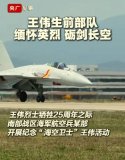
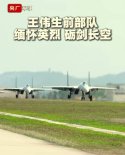
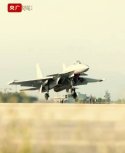
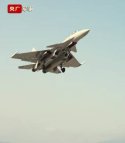
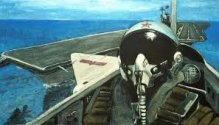

Wang Wei’s comrades transitioned to carrier capable J-15T.
View attachment 172721
View attachment 172722
View attachment 172723
View attachment 172724
View attachment 172725
Hopefully not just an April Fool's joke!? Allegedly "Wang Wei’s comrades transitioned to carrier capable J-15T."
Does this mean the former 9th Naval Air Division/9th Naval Air Brigade has been reformed and gained J-15T?
The unit that he served in now uses J15TsHopefully not just an April Fool's joke!? Allegedly "Wang Wei’s comrades transitioned to carrier capable J-15T."
Does this mean the former 9th Naval Air Division/9th Naval Air Brigade has been reformed and gained J-15T?