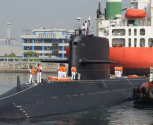
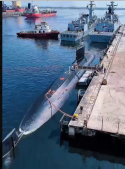
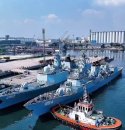
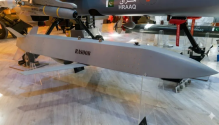
In reality, there are not many countries that maintain political friendship with China, and these countries largely overlap with Russia, so the buyers of Chinese weapons are very limited.China's oversight is very loose when it comes to where their weapons ends up. For example with the UAE purchasing weapons for their proxy group in Sudan and causing humanitarian incidents left and right, you'd expect them to halt arms shipments by now. But as recently as last week there has been military cargo flights from Urumqi to Abu Dhabi.
The truth is, there are two criterias to have access to the chinese weapons market
1. Be a relatively friendly country to China
2. Have the cash
Where the weapons end up later is none of their concern
The final destination of low-end weapons is never something the seller can decide, and it's not something China can decide either. As for the humanitarian crisis caused by these weapons, that's utter nonsense. I can only say that China plays at most a supporting role here; the real protagonist is the United States, which accounts for half of the international arms trade market. Of course, you can argue that the damage caused by American weapons doesn't count as a humanitarian crisis.