Day 1 - February 28
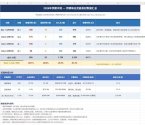
910 launches:
• 350 ballistic missiles
• 10 cruise missiles
• 550 UAVs.
Maximum density of volleys.
Combined strike.
Attempt to overload the air defense with the first strike.
Share of ballistics - 38.5%.
Day 2 - March 1
683 launches:
• 175 ballistic missiles
• 8 cruise missiles
• 500 UAVs.
The pace drops by about a quarter.
Ballistics decrease sharply. Share - 25.6%.
Drones remain a mass means of fire destruction.
Transition to a more rational use of resources.
Day 3 - March 2
475 launches:
• 120 ballistic missiles
• 5 cruise missiles
• 350 UAVs.
The intensity of the attacks continues to decline. Share of ballistics - 25.3%. Drones remain the main instrument of pressure.
Total for 4 days:
• 695 ballistic missiles (28.7%).
Estimated cost per unit/total - $1-2 million/$695 million-$1.39 billion.
Targets of attack: Israel, US military bases.
Cost of interception (per unit) - $3.7 million (PAC-3).
Ratio of costs (attack:defense): 1:2–4.
• 25 cruise missiles (1%).
Estimated cost per unit/total - $0.5-1.0 million/$12.5-25 million.
Targets of attack: military facilities, ports.
Cost of interception (per unit) - $1-3 million (PAC-3).
Ratio of costs (attack:defense): 1:2–3.
• 1700 Shahid-type UAVs (70.2%).
Estimated cost per unit/total - $20-50 thousand/$34-85 million.
Targets of attack: urban targets, energy infrastructure.
Cost of interception (per unit) - $1-4 million (PAC-3, aviation).
Ratio of costs (attack:defense): 1:20–80.
Thus, after four days, an Iranian model emerges: fewer expensive missiles - more cheap drones.
@china3army