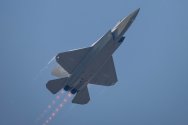
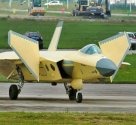
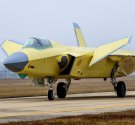
I highly doubt that the finale assembly of the aircraft is completely autonomous. While feasible from a technical standpoint, it is not economical to use robots when production number is just 100-150 airframes a year.

Conventional method of forging and casting and machining is faster if the shape is simple and material is easy to handle. But for complicated shape like one-piece bulkhead of hard material like Titanium 3d printing is faster.Yes, aerospace will not care, because only additive manufacturing will allow you to produce certain parts in 1 or 2 pieces in the most optimal weight. I'm simply pointing out that less material does not necessarily mean cheaper material cost.
it's a little weird for me to see this from 11 years ago, because even now, the issue with 3d printing of metal component is still the speed part. Back then would've taken even longer. But then again since with aerospace, you are not producing things in huge volume, it's okay if the speed is a little slower.
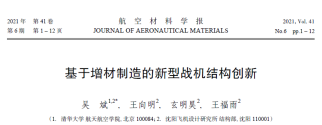
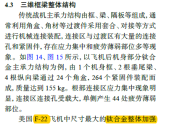

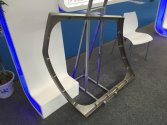

yes agreed. I mean when we look at the final assemble lines of various Chinese aircraft from recent times, it seems like you still need a lot of workers for that. Even if it's production number get to 100, which is actually a really large number. Realistically speaking, J-20 production itself likely had to get a lot more automated with intelligent AGVs moving heavy parts around.I highly doubt that the finale assembly of the aircraft is completely autonomous. While feasible from a technical standpoint, it is not economical to use robots when production number is just 100-150 airframes a year.

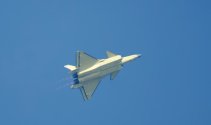
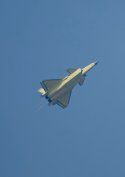

Oh this thing is LOVELY.
100% what I thought too (based quote choice btw):See, this is exactly how I knew the J-35A at Zhuhai had the WS-19. To quote Scripture, "By their diamonds you will know them." The diamonds don't lie, engine stronk.