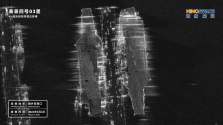
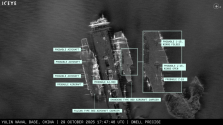
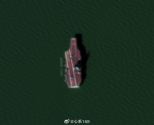
I can't wait to see the new tutorial videos.FYI, this image can be dated to December (edit: November, actually), when Fujian was still PCU (presumably) in the SCS. Here the same scene from another angle.View attachment 168316

I can't wait to see the new tutorial videos.FYI, this image can be dated to December (edit: November, actually), when Fujian was still PCU (presumably) in the SCS. Here the same scene from another angle.View attachment 168316

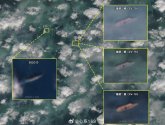
These are American sat images or Chinese? Crazy how they can spot ships like that even in cloudy conditions.The latest satellite images show the Fujian still training in the Bohai Sea while being escorted by a 052:
View attachment 168384

Could you explain how? Are you referring to using Sentinel-1/2? The two sat have different revisit period and rarely scan the same area on the same day. Even when they do, their imaging times typically differ by about 7 hours, and the ship will not remain stationary in one place.One can run SAR sats over a certain area, and then just correlate with the corresponding optical imagery. At least thats how I would do it.
And these are just commercial satellites. The military and national security satellites are even better, and with better imaging software.These are American sat images or Chinese? Crazy how they can spot ships like that even in cloudy conditions.

No, not referring to particular commercial setups. Yes it depends on revisit/timing schedules & the nature of the constellation. China does run SAR/optical constellation combos for this purpose, and Western countries (well the US primarily) do too.Could you explain how? Are you referring to using Sentinel-1/2? The two sat have different revisit period and rarely scan the same area on the same day. Even when they do, their imaging times typically differ by about 7 hours, and the ship will not remain stationary in one place.
If you have access to military-grade SAR satellites, why would you need to correlate it with optical imagery? SAR imagery outperforms optical imagery in both accuracy and tolerance to environmental conditions. Even hi-res commercial SAR satellite imagery is sufficient for identifying targets such as aircraft carriers.No, not referring to particular commercial setups. Yes it depends on revisit/timing schedules & the nature of the constellation. China does run SAR/optical constellation combos for this purpose, and Western countries (well the US primarily) do too.
For commercial imagery of course it depends on how wide your access is and how much time you'd want to spend on correlation. That said, earth observation density of course continues to increase all the time.