Wait isn't this the first prototype?

You are using an out of date browser. It may not display this or other websites correctly.
You should upgrade or use an alternative browser.
You should upgrade or use an alternative browser.
Chengdu next gen combat aircraft (?J-36)
- Thread starter Blitzo
- Start date
Wait isn't this the first prototype?


Wait isn't this the first prototype?
As already explained by others, clearly one of the later ones!
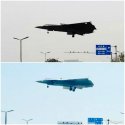
As this is the first glimpse of the topside of let's call it J-36 Gai (or A?), it appears the top intake is changed, it looks more "pointy" and maybe a bit more shallow (though it might be due to the roll angle). Do we see some cockpit area change too, again a bit more shallow, or maybe same applies?
Oh and almost certainly there is an EO aperture on top of the chine too, so seems there are 4 in total split above/below the chine.
Oh and almost certainly there is an EO aperture on top of the chine too, so seems there are 4 in total split above/below the chine.
As this is the first glimpse of the topside of let's call it J-36 Gai (or A?), it appears the top intake is changed, it looks more "pointy" and maybe a bit more shallow (though it might be due to the roll angle). Do we see some cockpit area change too, again a bit more shallow, or maybe same applies?
Oh and almost certainly there is an EO aperture on top of the chine too, so seems there are 4 in total split above/below the chine.
Actually I would read too much into these two blurry images - esp. the recent one showing the updated ones - since they were screenshots from an anyway blurry video and most likely remastered ... let us wait for clearer images!

Is it normal for a fighter to have 4 prototypes within one year? There doesn't seem to be enough time in-between to really digest the results from flight tests before another prototype is already flying.

As this is the first glimpse of the topside of let's call it J-36 Gai (or A?), it appears the top intake is changed, it looks more "pointy" and maybe a bit more shallow (though it might be due to the roll angle). Do we see some cockpit area change too, again a bit more shallow, or maybe same applies?
Oh and almost certainly there is an EO aperture on top of the chine too, so seems there are 4 in total split above/below the chine.
Just call it J-36, because these are prototypes and have yet to enter production.
Variant differentiation only occurs after production of more than one variant has occurred, and we are still a while away from production.
As for the minor differences, again I wouldn't read too much into it.
They are in the EMD prototype stage so it's expected for various minor adjustments to be made. We already more significant (but still circumscribed) changes between prototype 1 and 2 in terms of engine exhausts, rear landing gear and side intakes.
If there are any other changes, it's better to only speculate if we have good quality imagery given how easy it is for poor quality imagery of different photo angles between airframes to mislead us.
Always default to the most boring option unless the evidence is fairly irrefutable
If you’re confident in your initial flight data relative to your preflight simulation work you can take a bit more risk and test different flight conditions in parallel. Alternatively you can also end up with accelerated flight testing schedules if your preflight simulation work is good enough. The “digestion” is actually about engineering tweaks and studies when your expected and tested results don’t align. If they do testing can end up being a very quick process.Is it normal for a fighter to have 4 prototypes within one year? There doesn't seem to be enough time in-between to really digest the results from flight tests before another prototype is already flying.
