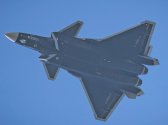
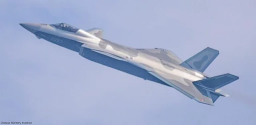
Sensor capability is probably not a limiting factor here -- whether it's RWR, or the EODAS or the chin EOIRST, or the radar having a SAR mode (or a combination thereof), all of those things probably should have been established capabilities for many years.
What probably is more of a limiting factor is getting an aircraft (especially a high end air superiority VLO aircraft that until the last few years was a limited quantity, high demand asset), to have the role and the organizational pathway to handover such data to a PLARF asset to conduct a strike.
Even if it is just a J-20 confirming the target and passing on the target coordinates, that information still needs to go up the air force pathway to the the air force element of the joint command post in the relevant "theater command" and then have the target and strike deconflicted with the rest of the joint force, then handed over to the PLARF element of the joint command post, who then delegates the strike to the relevant PLARF unit who prosecutes the mission. And possibly the J-20 does the BDA (or another asset does it).
And of course all of that would have to be done in a somewhat timely manner.
I imagine in the past, against less well defended target other manned fighter aircraft could also do that (and standoff ISR aircraft of course would have that mission as part of their job description), but if a VLO fighter can get closer to a more well defended target (holding all else equal), it makes sense to start giving that mission set to J-20s as well now that there are enough of them to be able to "spare" in that role depending on the contingency.
Theoratically the acquisition and targeting process and authorizations should be is as, as these are described in your post. I wonder what role can AI play in reducing these steps? If you can hypothically shed light on this acpect, considering the ongoing US-Iran war?